XOXO 3 16: A Thoughtful Embroidery Review
First Impressions: Sweet, Simple, and Surprisingly Versatile
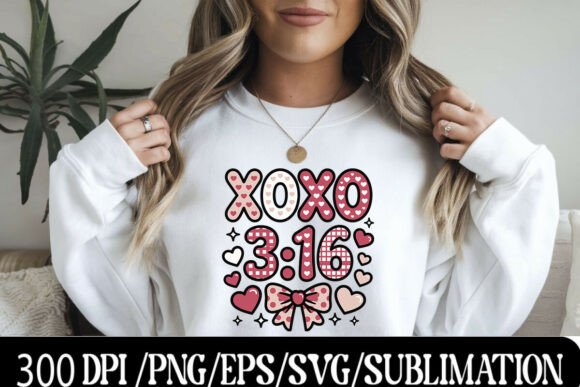
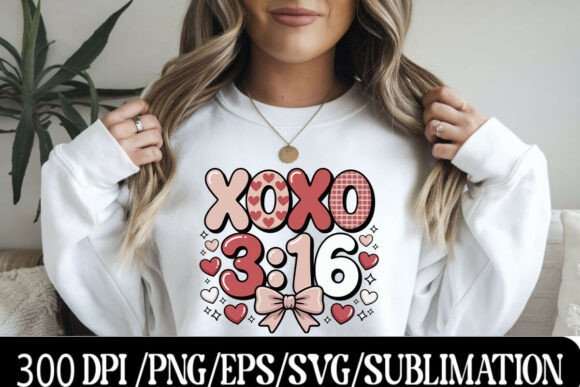
When I opened XOXO 3 16, I wasn’t expecting much beyond a cheerful, compact motif — but it landed with quiet confidence. It’s not fussy. No excessive flourishes or over-engineered curves. Just clean lines, balanced spacing, and that gentle rhythm between the Xs and Os that feels intentional, not automatic. The “3 16” sits unobtrusively beneath, sized just right to read without crowding — not an afterthought, but part of the visual cadence. As a machine embroidery design, it leans into warmth rather than whimsy, making it ideal for handmade products where sincerity matters more than sparkle.
A Real-World Test: Embroidering a Linen Kitchen Towel
Last week, I used XOXO 3 16 on a heavyweight natural linen tea towel for a small shop launch. No applique design here — just straight fill stitch and satin-stitched outlines. The result? Crisp, grounded, and quietly memorable. Customers paused at the display not because it shouted, but because it felt *considered*. That’s the strength of this T-Shirt Designs file: it doesn’t demand attention — it earns it through restraint and balance. It worked beautifully centered on the towel’s lower corner, echoing the shape of folded fabric edges without competing with texture.
Where It Shines (and Where It Needs Care)
XOXO 3 16 excels in projects where legibility, longevity, and emotional resonance matter:
- Custom apparel — especially on cotton tees, lightweight sweatshirts, and structured tote bags. Its moderate width and vertical flow suit chest placements and sleeve accents.
- Baby embroidery — think onesies, burp cloths, or nursery pillows. The soft geometry reads clearly even at smaller scales, and avoids overly cutesy tropes.
- Holiday embroidery and wedding gifts — it’s neutral enough for year-round use but carries just enough sentiment to feel personal without being prescriptive.
- Etsy seller and small shop product mockups — it translates cleanly into printable mockups and digital previews, holding up across light and dark fabric backgrounds.
But realism matters. This isn’t a one-size-fits-all embroidery file. Use caution on:
- Stretchy fabric — like jersey knits — unless you pair it with cutaway stabilizer and reduce stitch density slightly. The clean lines blur if the ground shifts mid-stitch.
- Textured fabrics — heavy terry cloth or bouclé can swallow fine satin stitch edges. Consider simplifying thread colors or opting for a bolder outline.
- Curved surfaces — caps and beanies require careful hooping and possibly minor digitizing tweaks. The symmetry of XOXO 3 16 makes it forgiving, but don’t skip a test run on scrap.
- Dark fabric — contrast is key. I tested it in ecru thread on navy cotton — lovely, but only because the fill stitch density was optimized. On ultra-dense black twill? Add a white underlay or adjust your stabilizer stack.
What It Adds to Your Finished Product
This isn’t just about stitches — it’s about perception. When customers see XOXO 3 16 on a handmade product, they register care. Not perfection, but intention. That affects everything: how gift buyers value a personalized item, how boutique shoppers assess brand consistency, how craft fair browsers decide whether to pause at your table. It elevates a basic tote bag into something worth gifting. It gives a baby onesie quiet sophistication instead of cluttered charm. And for Etsy sellers? It performs well in thumbnails — clear, readable, and emotionally resonant even at 200px wide.
Designer Notes You’ll Actually Use
Before stitching XOXO 3 16 into your next project, here’s what I do — every time:
- Test on scrap fabric — same weight, same stretch, same dye lot if possible. Watch how the satin stitch wraps corners and how fill areas settle.
- Check thread color contrast in both natural and artificial light. What reads as soft gray in daylight may vanish under store lighting.
- Review stitch density. If it feels heavy on lightweight cotton, reduce density by 5–7% — especially in the O interiors.
- Confirm hoop size compatibility. This design fits comfortably in a 4x4 hoop, but verify before hooping delicate garments.
- Inspect small details — particularly the inner curve of each O and the junction where X arms meet. These are common failure points on low-res machines or with worn needles.
- Test black-and-white mockups. If it holds up without color, you’ve got strong design bones.
- Use proper stabilizer — tear-away for stable wovens, cutaway for knits or high-wear items like aprons or pillow covers.
- Verify licensing before selling finished items or reselling the digital embroidery file. Even simple designs have usage boundaries — respect them.
Final Thought: Not Just Another Monogram
XOXO 3 16 doesn’t try to be everything. It’s not flashy. It won’t dominate a busy holiday sweater or anchor a large-scale quilt block. But in the right context — a minimalist sweatshirt for a local coffee shop, a set of embroidered kitchen towels for a wedding registry, a batch of baby embroidery for a boutique launch — it becomes quietly indispensable. It supports your voice as a designer instead of shouting over it. For craft business owners and creative entrepreneurs who value clarity, consistency, and customer trust, this is the kind of embroidery file that builds reputation, one thoughtful stitch at a time.