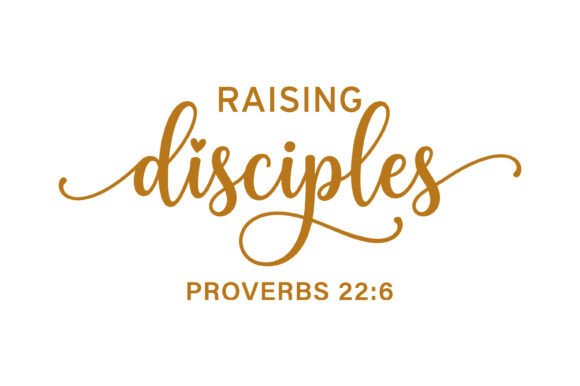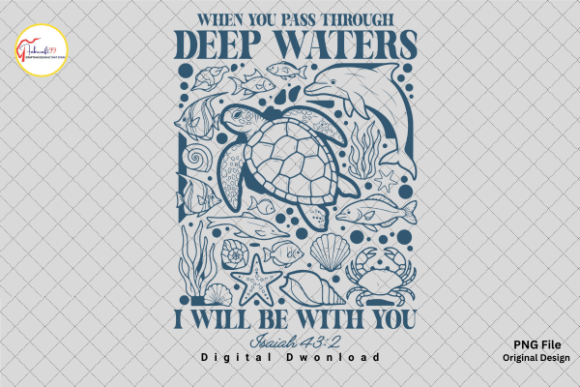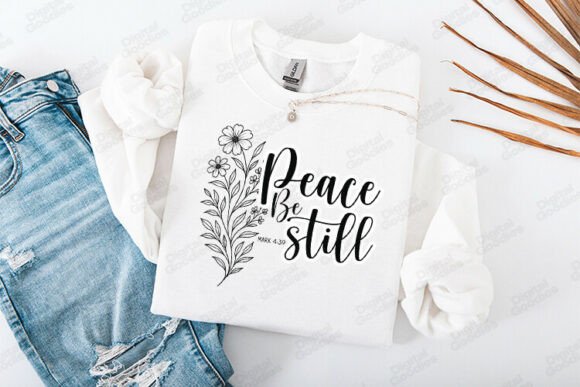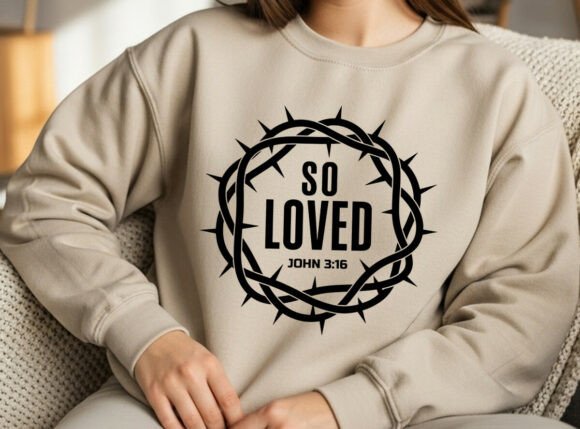
Rooted in Christ Bible Verse Rose T-Shirt Designs
A Warm, Devotional First Impression—Right for Faith-Based Local Brands
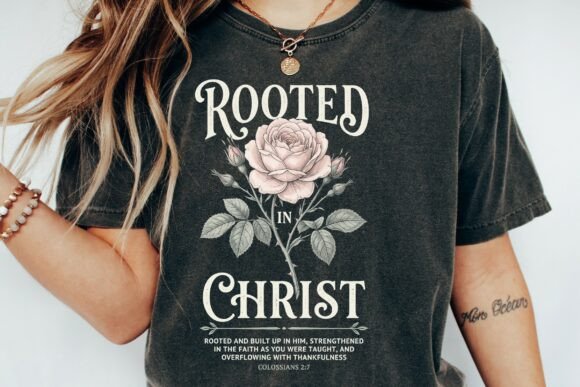
When I first opened Rooted in Christ Bible Verse Rose, I felt immediate resonance—not as clipart, but as a thoughtful graphic design asset with quiet reverence and botanical grace. It balances spiritual sincerity with organic elegance: soft rose petals cradling scripture, gentle line weight, and intentional negative space. This isn’t bold or flashy; it’s tender, grounded, and quietly confident. For a local business—say, a women-led candle brand named “Haven & Hearth,” a small-batch herbal tea label, or a boutique offering faith-inspired children’s apparel—it signals warmth, intentionality, and values-aligned craftsmanship. It reads as handmade, not mass-produced; reverent, not rigid; feminine without being fussy.
Where This Design Asset Earns Its Place in Real Branding Work
I recently used Rooted in Christ Bible Verse Rose across three touchpoints for a seasonal holiday collection at a downtown florist + gift shop: product labels for dried-rose sachets, hang tags for hand-poured soy candles (“Peace Be Still”), and social media graphics for Instagram Stories promoting their “Advent Reflections” pop-up. In each case, the asset strengthened visual hierarchy and emotional connection—without needing redesign. It worked especially well as a decorative brand element beside clean sans-serif type (for modern clarity) and paired beautifully with a warm serif font on printed thank-you cards. As a printable design, it scaled gracefully from 2” sticker to 24” window decal. The SVG version held crisp edges in packaging design mockups, and the PNG transparency allowed seamless layering over textured kraft paper backgrounds—key for that artisanal, small business branding feel.
More Than Decoration: How It Builds Trust and Recognition
Small business branding lives or dies by consistency and authenticity—and Rooted in Christ Bible Verse Rose delivers both when applied intentionally. On product labels, it elevates perceived value: customers pause longer, associate care with craftsmanship, and remember the brand because the motif is distinctive yet familiar in tone. In promotional visuals—like a limited-edition holiday menu for a Christian-owned coffee shop—it creates cohesion across digital and physical spaces. That consistency feeds trust. When shoppers see the same gentle rose motif on a mug, a bag tag, and a Canva template for email headers, they subconsciously register professionalism and attention to detail. It also supports stronger shelf appeal among competitors who rely on generic clipart or overused cross motifs—this feels curated, not copied.
Best Uses for Local Business Owners
- Product labels for teas, soaps, bath salts, or greeting cards where devotional tone aligns with customer expectations
- Packaging accents—small foil-stamped roses on kraft boxes, embossed on belly bands for handmade journals
- Hero graphics for website banners or social media campaign visuals tied to Lent, Easter, or back-to-school devotionals
- Thank-you cards and printable inserts included with orders—adding personal, values-driven warmth
- Seasonal packaging, like rose-gold foil versions for Christmas or pastel variations for spring collections
- Boutique visuals—window clings, shelf talkers, or fabric-printed tote bags for faith-centered retail spaces
Use With Intention—Not Everywhere
This isn’t a one-size-fits-all logo design solution. Avoid placing Rooted in Christ Bible Verse Rose where legibility or authority must dominate: formal corporate branding (e.g., law firm letterhead), ingredient-heavy food labels, or legal disclaimers. It loses impact on very small labels (<1.5”) unless simplified—always test black-and-white usage first. Steer clear on low-contrast backgrounds (e.g., light gray text over pale rose); it needs breathing room. Luxury minimalist brands may find it too decorative, and crowded packaging layouts risk visual noise—let it anchor, not compete. And never assume it fits your brand voice without testing: what reads as peaceful to one audience may feel overly sentimental to another.
Practical Brand Designer Notes You’ll Actually Use
Before committing to Rooted in Christ Bible Verse Rose for client work or your own handmade business: preview it on real packaging mockups—not just screen thumbnails. Check how the SVG scales when resized for web design versus print-ready packaging design. Test the PNG transparency over your actual label stock (kraft, white matte, recycled paper). Print a sample on your intended material: does the line weight hold? Does the rose retain delicacy at 0.75”? Compare it beside your brand fonts—does it harmonize with your script font’s flow, or clash with your display font’s sharpness? Run a side-by-side with top competitor packaging: does it stand out authentically? Most critically—confirm commercial licensing covers physical product sales, not just digital use. Many creative marketplaces offer Rooted in Christ Bible Verse Rose as a digital product, but commercial license terms vary. Never assume.
Why This Fits Real Small Business Needs—Not Just T-Shirt Designs
Yes, Rooted in Christ Bible Verse Rose works beautifully as T-Shirt Designs—but its true strength lies beyond apparel. It’s a versatile, emotionally intelligent graphic design asset built for multi-touchpoint brand identity. Whether you’re a food business labeling honey jars with scripture and native wildflowers, a skincare brand launching a “Grace & Glow” serum line, or a church plant selling branded merch to fund community gardens, this asset bridges faith and function without cliché. It supports professional branding through subtlety—not slogans, but symbolism. It invites pause, not persuasion. And in an era where local business owners juggle marketing, production, and fulfillment alone, having a single, licensable, high-quality design asset that performs across labels, social media graphics, and packaging design saves hours—and builds something enduring.